

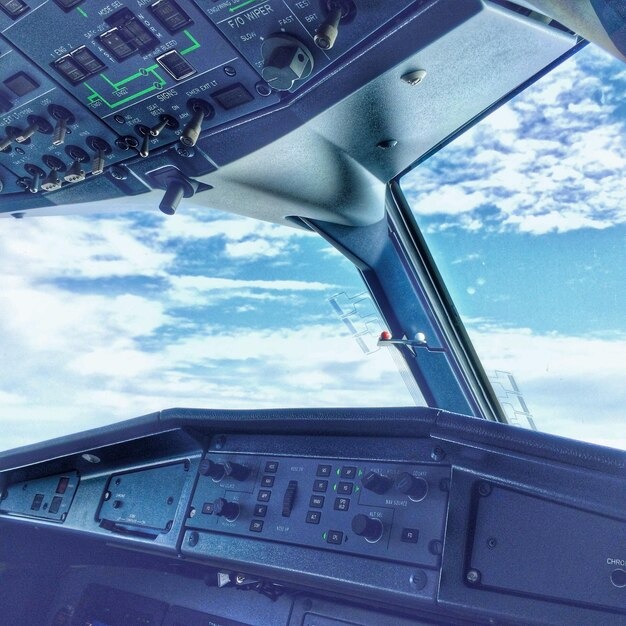
Modern air travel is often seen as a marvel of convenience, speed, and engineering. But behind the calm of a smooth flight lies an intricate network of systems working tirelessly to keep us safe. Two of the most essential technologies that ensure safety in aviation are the flight control system and flight test instrumentation. Together, they form the backbone of modern aircraft operation and testing. Let’s take a closer look at how these systems work behind the scenes to make aviation as safe as it is today.
What Is a Flight Control System?
A flight control system is the collection of mechanical, electrical, and computer-based components that pilots use to steer an aircraft. From the moment a plane takes off to the moment it lands, this system is responsible for controlling the aircraft’s pitch, roll, and yaw—terms used to describe movement up and down, side to side, and turning left or right.
There are two main types of flight control systems:
- Primary flight controls: These include the ailerons, elevators, and rudder, which directly affect the aircraft’s movement.
- Secondary flight controls: These include flaps, slats, spoilers, and trim systems that enhance the aircraft’s performance and help manage lift and drag during different phases of flight.
Modern aircraft often use fly-by-wire systems, which replace traditional manual controls with electronic interfaces. These systems translate pilot inputs into electronic signals that control the aircraft’s movements through computers and actuators, often improving safety and efficiency.
The Role of Flight Control Systems in Safety
The flight control system plays a key role in making air travel safe. Here’s how:
- Precision and Stability: These systems help keep the aircraft stable even in rough weather conditions or during unexpected turbulence.
- Automation: Auto-pilot functions, integrated into flight control systems, reduce the pilot’s workload and minimize human error.
- Redundancy: Safety is increased through redundant systems—if one part fails, a backup takes over to maintain control.
- Real-Time Monitoring: Sensors and computers constantly monitor the aircraft’s movements and make small adjustments to ensure balanced and safe flight.
These functions allow pilots to focus more on decision-making rather than manual corrections, especially in high-pressure situations.

What Is Flight Test Instrumentation?
Before any aircraft is certified for public use, it must go through rigorous testing. This is where flight test instrumentation (FTI) comes in. These are specialized tools and systems used to collect data during test flights.
Flight test instrumentation includes a wide range of sensors, data recorders, cameras, and telemetry systems. These tools measure:
- Speed and altitude
- Vibration and pressure
- Temperature changes
- Wing and engine performance
- Response to control inputs
- Fuel consumption and electrical loads
Every test flight can generate thousands of data points per second, all of which are recorded and analyzed by engineers.
How Flight Test Instrumentation Ensures Safety
Flight test instrumentation is essential for verifying that an aircraft performs as expected under all conditions. Here’s how it contributes to aviation safety:
- Design Validation: Engineers use test data to confirm that the aircraft design is sound and performs according to specifications.
- Problem Detection: FTI systems can detect hidden issues—like unusual vibrations or overheating—before they become serious safety risks.
- Regulatory Compliance: All aircraft must meet strict international standards before they can be used commercially. FTI helps prove compliance.
- Continuous Improvement: Even after an aircraft is in service, new upgrades or changes are tested using FTI to ensure they do not affect safety.
These tests are often repeated in various conditions—extreme cold, high altitudes, emergency simulations—to ensure the aircraft can perform safely in any situation.
The Collaboration Between Humans and Machines
It’s important to recognize that both flight control systems and flight test instrumentation are designed not to replace humans, but to assist them. Pilots still play a vital role, especially during emergencies. But these systems give pilots more tools, better information, and greater confidence.
Flight test engineers and technicians also work closely with pilots during testing phases. Together, they analyze results, suggest improvements, and verify that all systems are functioning as intended.
Innovation Is Ongoing
As aircraft technology continues to evolve, so do flight control systems and test instrumentation. With the growth of automation, artificial intelligence, and advanced sensors, the future of aviation promises even greater levels of safety and performance.
For instance, advanced autonomous systems are being developed for both commercial and military aircraft. These systems rely heavily on flight control algorithms and real-time data from test instrumentation. Electric aircraft and urban air mobility solutions (like flying taxis) also undergo similar rigorous testing before becoming reality.
Conclusion: A Hidden World of Safety in the Skies
We often look out of airplane windows without thinking twice about what makes our flight so smooth and safe. But behind the scenes, complex technologies like flight control systems and flight test instrumentation work constantly to keep us secure.
From guiding the aircraft’s movements to ensuring it has passed every test imaginable, these systems are the unsung heroes of modern aviation. They represent the perfect blend of engineering, data science, and human expertise—quietly protecting every passenger, every time a plane takes off.