
Living in a compact space doesn’t mean sacrificing style or comfort. In fact, designing a small space presents an opportunity to think creatively, find clever storage solutions, and create an environment that feels both functional and inviting. Whether you’re working with a tiny studio apartment or a cozy spare room, here are some interior design strategies to help you maximize every square inch.
Start with a Light and Neutral Palette
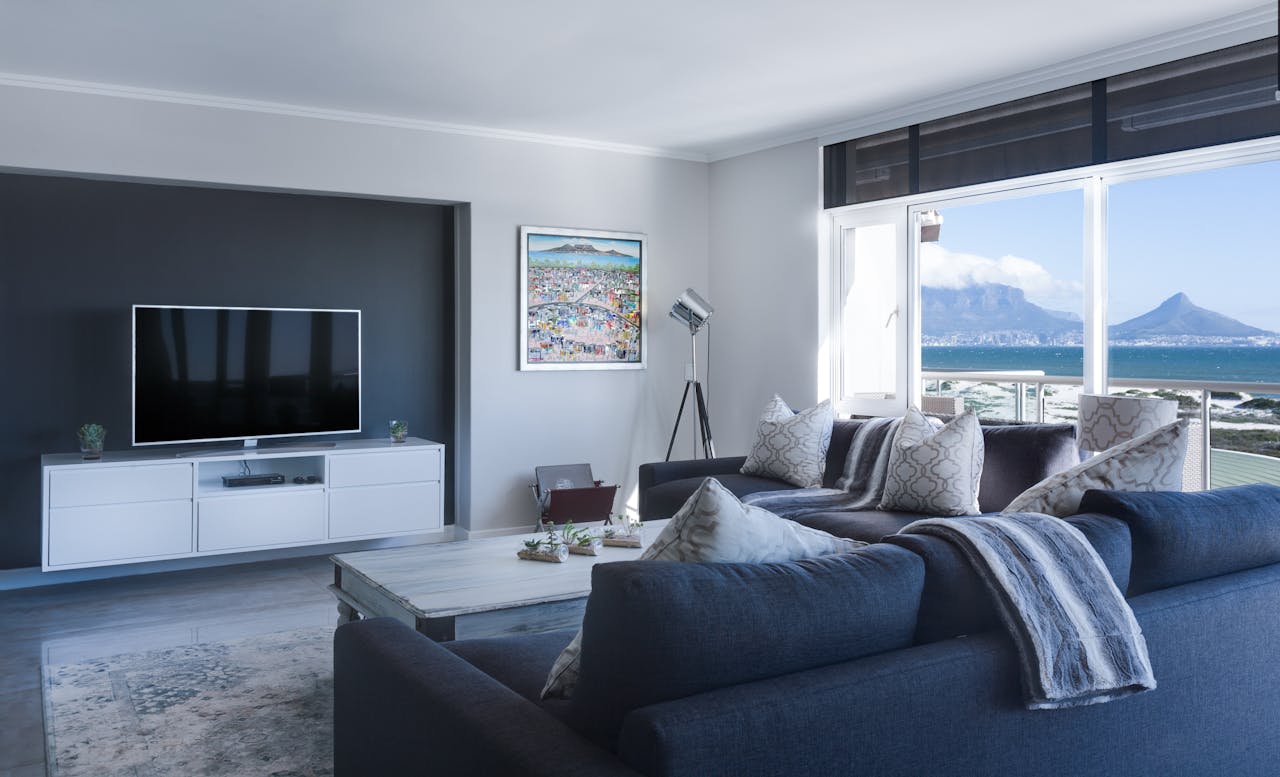
When designing small spaces, light and neutral colors can work wonders. Shades of white, beige, soft gray, or pastel tones help reflect natural light, making the room feel more open and airy. By keeping the base palette consistent, you allow the space to visually expand, creating a cohesive and uncluttered look.
Introduce depth and interest through texture and accent pieces. A patterned throw pillow, a textured area rug, or a piece of artwork can add character without overwhelming the space.
Maximize Vertical Space
One of the most effective ways to make a small room feel larger is by using vertical space. Instead of spreading furniture and decor across the floor, consider tall shelving units, wall-mounted cabinets, or hanging planters. Vertical storage draws the eye upward, giving the illusion of higher ceilings and a more spacious environment.
For example, a floor-to-ceiling bookshelf not only provides ample storage but also creates a striking focal point. Hanging hooks or pegboards for kitchen tools, accessories, or office supplies can also keep surfaces clear and make the room feel less crowded.
Choose Multi-Functional Furniture
In small spaces, every piece of furniture should work hard. Opt for items that serve multiple purposes—such as a sofa bed, a fold-out dining table, or a coffee table with hidden storage. These versatile pieces help you maintain functionality without taking up extra room.
Consider a bed with built-in drawers or a storage ottoman that doubles as seating. Multi-functional furniture reduces clutter, provides convenient storage, and ensures that every item in the room contributes to both form and function.
Embrace Reflective Surfaces
Mirrors and other reflective surfaces can make a room appear larger by bouncing light around and creating the illusion of depth. A large mirror placed opposite a window amplifies natural light and visually doubles the size of the space.
Incorporate reflective finishes on furniture, light fixtures, or decor items. Glass or acrylic tables, shiny metal accents, and mirrored cabinet doors are subtle ways to enhance the sense of openness and prevent the space from feeling closed in.
Use Clever Storage Solutions
Keeping a small space organized is key to maintaining a stylish and functional interior. Look for storage opportunities that might not be immediately obvious. Under-bed storage bins, wall-mounted baskets, and custom-built closets can all help you keep essentials out of sight.
In the kitchen, consider vertical spice racks or magnetic strips for knives and utensils. In the living room, a storage bench can hold blankets and books. By integrating storage into your design, you can maintain a clutter-free space that feels serene and comfortable.
Add Personality with Small Accents
Just because a space is small doesn’t mean it has to lack character. Carefully chosen decor pieces, like framed artwork, decorative pillows, or a unique light fixture, can add warmth and personality without taking up valuable real estate.
Focus on a few meaningful accents rather than an abundance of decor. A single statement piece—like a bold area rug or an eye-catching piece of wall art—can become the focal point of the room, drawing attention away from its limited size.
Let in Natural Light
Natural light can be a game-changer in small spaces. Whenever possible, avoid heavy curtains or dark window treatments that block sunlight. Instead, choose sheer curtains or blinds that let light flow through while still offering privacy.
If natural light is limited, layer lighting with multiple sources—such as overhead fixtures, floor lamps, and wall sconces. Well-lit spaces feel more open, inviting, and spacious, even if the square footage is minimal.
Arrange Furniture Thoughtfully
The layout of your furniture can significantly impact how large or small the room feels. Avoid overcrowding by selecting appropriately scaled pieces and leaving open pathways. Pull furniture slightly away from walls to create a sense of depth, and use rugs to define areas within a single room.
For example, in a studio apartment, a strategically placed sofa can serve as a divider between the living and sleeping areas. By arranging furniture with purpose, you create a natural flow that makes the entire space feel more functional and harmonious.
Embrace the Cozy Factor
Small spaces have a unique charm that comes from their intimacy. Instead of focusing solely on making the room look larger, embrace its coziness. Soft textiles, warm lighting, and personal touches like family photos or cherished books can transform a compact room into a welcoming retreat.