

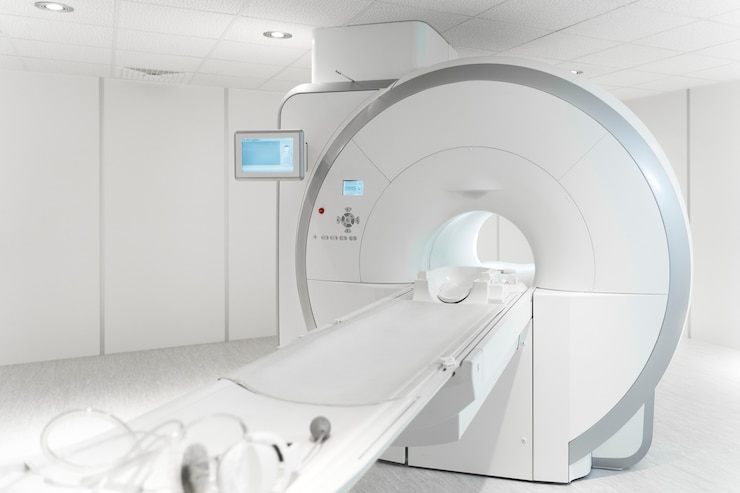
In today’s fast-paced medical world, technology is transforming how we detect and diagnose illnesses. At the heart of this innovation is the radiology tech, a healthcare professional who plays a critical role in capturing medical images used for diagnosis and treatment. From X-rays to MRIs, radiologic technologists ensure that patients receive accurate, high-quality imaging services in a safe and compassionate environment.
If you’re curious about a career as a radiology tech, or simply want to understand more about the profession, this article provides a clear and complete guide.
What Is a Radiology Tech?
A radiology tech, or radiologic technologist, is a trained medical professional responsible for performing diagnostic imaging procedures. These include:
- X-rays
- CT (computed tomography) scans
- MRI (magnetic resonance imaging)
- Mammograms
- Fluoroscopy
These images help doctors detect broken bones, tumors, internal bleeding, and other medical conditions. Radiology techs not only operate the equipment but also work directly with patients, preparing them for procedures and ensuring their comfort and safety.
Daily Duties of a Radiology Tech
The responsibilities of a radiology tech go beyond just pressing buttons on a machine. A typical day may involve:
- Preparing patients for imaging procedures
- Explaining the process and answering questions
- Positioning the patient correctly for accurate imaging
- Operating complex imaging machinery
- Following strict safety protocols to minimize radiation exposure
- Reviewing and submitting images to radiologists or physicians
- Maintaining equipment and patient records
This profession requires both technical knowledge and strong interpersonal skills, as radiology techs often work with people in pain or stress.

Education and Training
To become a radiology tech, you typically need to complete a two-year associate degree in radiologic technology from an accredited program. Some professionals choose to pursue a four-year bachelor’s degree for additional career opportunities or specialization.
After graduation, you must pass a certification exam, usually administered by organizations like the American Registry of Radiologic Technologists (ARRT) in the U.S.
Skills Required to Succeed
Working as a radiology tech demands a mix of technical and soft skills:
- Attention to detail: Small errors in positioning or settings can lead to poor image quality or misdiagnosis.
- Compassion: Many patients are anxious or in pain. A caring, calm approach helps ease their stress.
- Technical expertise: Operating advanced imaging machines requires strong knowledge of equipment and safety procedures.
- Communication skills: Radiology techs must explain procedures clearly and work closely with medical teams.
Where Do Radiology Techs Work?
Most radiology techs work in hospitals, but they are also employed in:
- Outpatient clinics
- Diagnostic imaging centers
- Urgent care facilities
- Orthopedic offices
- Specialized medical practices
Some techs also travel as mobile radiologic technologists, providing services to rural areas, nursing homes, or sports teams.
Career Outlook and Salary
The demand for radiology techs is growing steadily. According to labor statistics, employment for radiologic technologists is expected to increase as the healthcare industry expands and the population ages.
In terms of salary, a radiology tech in the U.S. can earn between $50,000 and $75,000 annually, depending on location, experience, and specialization. Those trained in CT or MRI often command higher salaries.
Specializations Within Radiology
After gaining experience, a radiology tech can specialize further to advance their career. Some options include:
- MRI Technologist
- CT Scan Specialist
- Mammography Technologist
- Interventional Radiology Tech
- Radiation Therapy Technician
These roles often require additional training and certification but offer higher pay and advanced responsibilities.
Why Consider a Career as a Radiology Tech?
Becoming a radiology tech offers a stable, rewarding career in healthcare without the need for extensive medical school training. You get to work with cutting-edge technology, help patients daily, and be an essential part of the diagnostic process.
It’s also a career that offers flexibility, opportunities for advancement, and the ability to work in various healthcare settings. If you’re someone who enjoys working with both technology and people, this could be the perfect path.
Final Thoughts
The role of a radiology tech is both meaningful and in demand. These professionals are crucial in helping doctors make informed decisions that directly impact patient care. With the right training, skills, and dedication, a career in radiologic technology can lead to long-term growth and satisfaction.
Whether you’re just exploring career options or actively seeking a new direction, becoming a radiology tech is a smart move in today’s healthcare-driven world.