

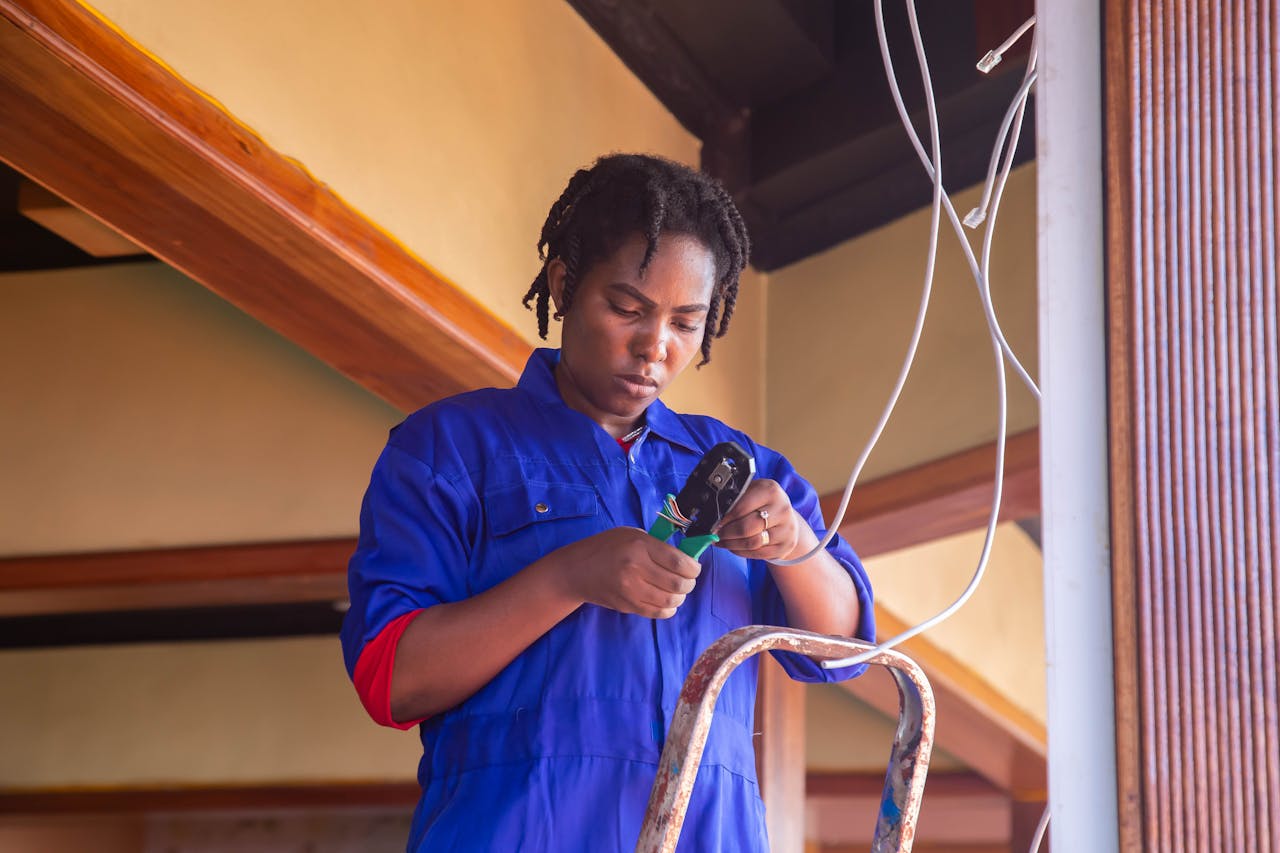
Electrical issues can arise at any time in a home or business, and while some minor problems can be fixed with a little DIY know-how, others may require the expertise of a licensed professional. Electrical work involves complex systems that, if not handled correctly, can lead to safety hazards, costly repairs, or even worse, serious injury. Knowing when it’s time to call a professional can save you both time and money while ensuring your home remains safe and fully functional. Here’s a guide to help you determine when it’s time to call an electrician for repairs.
1. Frequent Circuit Breaker Tripping
One of the most common signs of an electrical problem is a circuit breaker that trips frequently. The circuit breaker is designed to shut off the electrical supply when there is an overload or fault, preventing fires or damage to appliances. However, if the circuit breaker trips repeatedly for no apparent reason, it’s a sign that something more serious may be wrong.
What it might mean:
- Overloaded circuits from too many devices plugged in.
- Faulty wiring or an issue with the breaker itself.
- A short circuit or ground fault that could be dangerous.
Why you need a professional: A licensed electrician can assess the situation, determine the cause of the tripping, and make necessary repairs to prevent further issues.
2. Flickering or Dimming Lights
Flickering or dimming lights are a telltale sign of an electrical issue. While occasional flickering due to an appliance turning on may be normal, constant flickering or dimming lights could indicate a deeper problem with your electrical system.
What it might mean:
- Loose or faulty light bulbs or light switches.
- Faulty or loose wiring connections.
- An overloaded circuit or electrical panel issues.
Why you need a professional: If the flickering persists, an electrician can identify and fix the issue, whether it’s a faulty fixture, wiring problems, or an overloaded circuit.
3. Electrical Shocks
If you experience a mild electrical shock when touching an appliance or light switch, this is a serious issue that requires immediate attention. While small shocks might seem harmless, they can be indicative of faulty wiring or grounding problems that pose a serious safety risk.
What it might mean:
- Faulty or worn-out electrical outlets or switches.
- Grounding issues that are causing unsafe electrical flow.
- Damaged wires inside walls or appliances.
Why you need a professional: An electrician can diagnose and resolve the underlying issue, preventing potential electrical fires or more serious electrical hazards.
4. Burning Smell or Sparks
If you notice a burning smell or see sparks coming from outlets, light fixtures, or appliances, you should immediately call a professional. This is a critical warning sign that something is wrong with the electrical system and could lead to a fire if left unchecked.
What it might mean:
- Overheating wires or electrical components.
- Faulty electrical connections or overloaded circuits.
- Defective or old wiring.
Why you need a professional: Sparks and burning smells are signs of dangerous electrical issues. A licensed electrician will be able to inspect your system, identify the problem, and make necessary repairs or replacements to prevent a fire.
5. Overheated Electrical Outlets or Switches
If an outlet or switch feels hot to the touch, it’s time to call a professional. This may not always be obvious, so pay attention to any warm or discolored outlets. Overheated outlets or switches could indicate loose wiring or an overloaded circuit.
What it might mean:
- Loose or damaged wiring.
- Faulty outlet or switch connections.
- Overloaded circuits putting excessive stress on your electrical system.
Why you need a professional: An electrician can inspect your outlets and wiring, fix any issues, and ensure that your electrical system is operating safely.
6. Non-Functioning or Outdated Electrical Panel
Your electrical panel is the heart of your electrical system, directing power to the various circuits in your home. If your panel is old, outdated, or not functioning properly, it can lead to power surges, frequent breaker trips, or even electrical fires.
What it might mean:
- The panel is not up to current safety standards.
- Old wiring or malfunctioning breakers inside the panel.
- Insufficient power capacity for your home’s electrical needs.
Why you need a professional: An electrician can inspect and upgrade your electrical panel to ensure that it’s safe and capable of handling the demands of your home’s electrical system.
7. Power Outages in Specific Areas of the Home
If you’re experiencing power outages in specific areas of your home, rather than the entire house, it could indicate a problem with the wiring, a faulty switch, or a problem with the electrical outlet.
What it might mean:
- Faulty wiring or connections in a specific circuit.
- A damaged outlet or switch.
- Loose or disconnected wires behind the walls.
Why you need a professional: A licensed electrician can pinpoint the source of the issue, fix the wiring, and restore power to the affected areas without compromising safety.
8. New Construction or Major Renovation
If you’re adding an addition to your home, renovating your kitchen, or updating your electrical system, it’s important to call a professional. DIY electrical work can be dangerous and may not meet local building codes. A licensed electrician will ensure that your home is up to code and that any electrical work is done safely.
What it might mean:
- New electrical wiring for added rooms or renovated spaces.
- Properly installed outlets, switches, and lighting.
- Compliance with local safety codes and regulations.
Why you need a professional: Ensuring that the new wiring is installed correctly and safely is crucial, as any errors can lead to long-term problems or safety hazards.
9. Increased Energy Bills
If you notice a sudden spike in your energy bill without a corresponding increase in energy use, it could be an indication of electrical issues in your home. Faulty wiring, outdated appliances, or issues with your electrical panel can cause inefficient energy consumption.
What it might mean:
- Electrical appliances or wiring that are inefficient or malfunctioning.
- Faulty wiring causing a continuous power draw.
- Issues with your electrical panel leading to energy wastage.
Why you need a professional: An electrician can inspect your electrical system and identify areas where energy may be leaking, helping you lower your energy costs and reduce your home’s carbon footprint.
Final Words
While minor electrical issues might seem manageable, many problems require the expertise of a licensed electrician. If you notice any of these signs—frequent circuit breaker trips, sparks, burning smells, or overheated outlets—don’t hesitate to call a professional. Electrical repairs are not only crucial for safety, but they also ensure that your home’s electrical system operates efficiently and effectively. By addressing issues early on, you can prevent larger, more costly problems and keep your home safe for you and your family. Always trust a licensed electrician to handle complex or dangerous electrical work to protect your home and peace of mind.