
As we move through 2025, interior design continues to evolve, reflecting changes in lifestyle, technology, and cultural values. This year’s trends emphasize sustainability, individuality, and a balanced blend of modern and traditional elements. Whether you’re planning a complete home makeover or just looking for a few updates, here are the key interior design trends to embrace—and those to leave behind.
What’s In: Sustainable Materials and Practices
Sustainability remains a central theme in 2025. Homeowners are increasingly seeking out furniture, flooring, and décor made from recycled or renewable materials. Bamboo, reclaimed wood, and upcycled textiles are taking center stage. In addition to materials, sustainable practices—such as choosing local artisans, using non-toxic finishes, and incorporating energy-efficient lighting—are becoming the standard for conscious design.
What’s Out: Disposable and Fast Furniture
Gone are the days when fast, disposable furniture dominated interiors. While budget-friendly, these pieces often lack durability and end up contributing to landfill waste. In 2025, quality trumps quantity. Homeowners are investing in well-crafted, timeless pieces that can be refurbished or passed down, rather than buying cheap items that need frequent replacement.
What’s In: Bold, Earthy Color Palettes
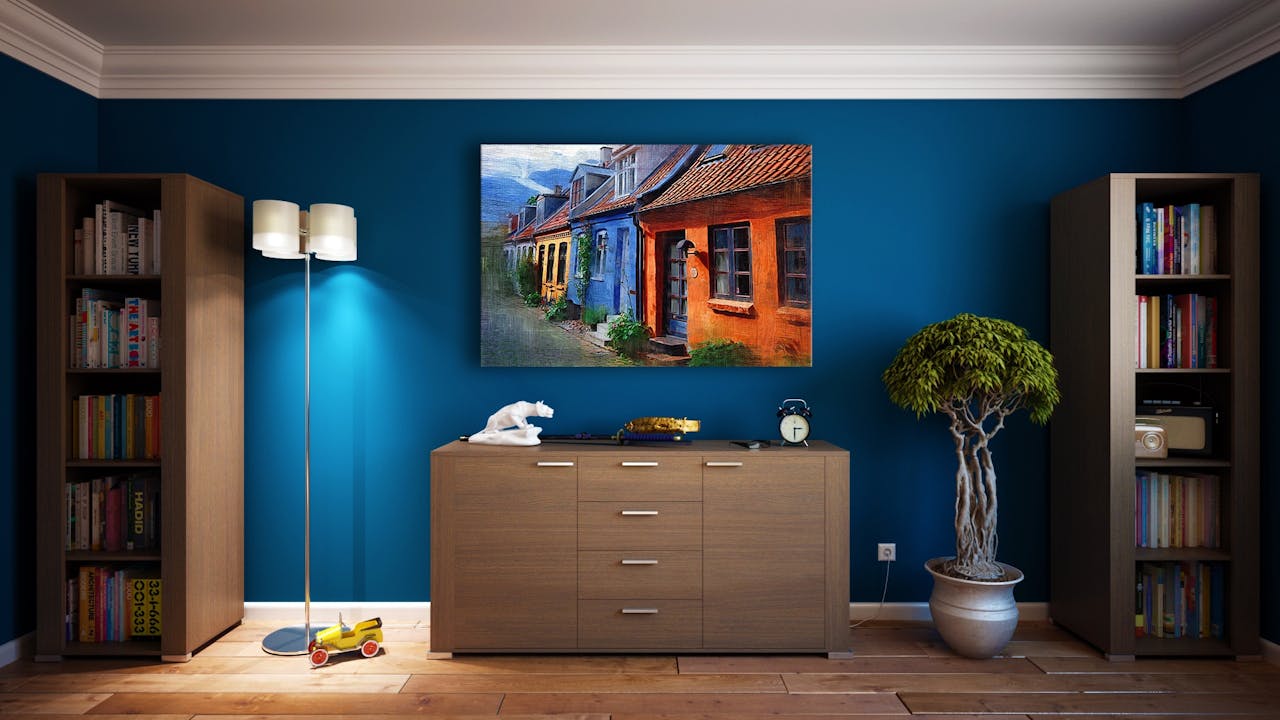
Rich, earthy tones are defining interiors this year. Terracotta, deep greens, mustard yellows, and warm browns are appearing on walls, upholstery, and accent pieces. These colors bring a sense of warmth and connection to nature, creating inviting spaces that feel grounded and timeless.
What’s Out: Overly Minimalist White Interiors
While minimalism isn’t disappearing, the stark, all-white interiors that were popular in previous years are falling out of favor. Instead, designers are incorporating color, texture, and personal touches to add warmth and personality to minimalist spaces. The goal is to create a home that feels lived-in and welcoming, rather than sterile or overly curated.
What’s In: Multifunctional Spaces
As remote work and flexible living arrangements continue, homes are being designed with versatility in mind. Multifunctional spaces—such as living rooms that double as home offices or guest rooms—are becoming essential. Furniture that serves multiple purposes, like fold-out desks, modular seating, and storage-integrated sofas, helps maximize square footage and adapt to changing needs.
What’s Out: Single-Use Rooms
Rooms dedicated to just one purpose are becoming a thing of the past. With more people working from home, entertaining indoors, and balancing multiple activities, spaces need to be adaptable. Instead of a formal dining room used once or twice a year, homeowners are opting for open layouts that can transition between dining, working, and lounging seamlessly.
What’s In: Biophilic Design Elements
Biophilic design—a concept that connects interiors with nature—is more popular than ever. Large indoor plants, living walls, and natural light are being incorporated to create calming, health-promoting environments. Even in urban settings, designers are finding ways to bring the outdoors in, using organic shapes, natural materials, and nature-inspired patterns to foster well-being.
What’s Out: Faux Greenery
While the goal is to connect with nature, faux greenery is on its way out. In 2025, homeowners are seeking the real deal. Live plants not only improve air quality but also contribute to the authentic, organic aesthetic that defines modern interiors. High-maintenance or not, a touch of true greenery is seen as essential to a fresh, vibrant space.
What’s In: Curated Collections and Personalization
Personalized, curated spaces that reflect individual tastes and experiences are in demand. Rather than copying a single design style, homeowners are mixing vintage finds, handmade items, and travel-inspired pieces to create unique environments. This layered, eclectic approach ensures every home tells a story.
What’s Out: Cookie-Cutter Looks
Matching furniture sets and cookie-cutter designs are falling out of favor. In 2025, individuality and creativity are valued over following a set template. The focus is on pieces that hold personal significance or showcase craftsmanship, resulting in interiors that feel more authentic and meaningful.
Final Thoughts
The interior design trends of 2025 celebrate sustainability, individuality, and functionality. By embracing these “in” trends and moving away from outdated “out” practices, you can create a home that is stylish, comfortable, and future-ready.