

The world of gardening has evolved significantly over the years, with new techniques emerging to tackle challenges like space constraints, water usage, and soil quality. Among these innovations, the aeroponic tower garden has gained significant attention for its ability to grow plants more efficiently and rapidly compared to traditional soil-based gardening. By suspending plant roots in air and delivering nutrients in a mist form, aeroponic systems provide an ideal solution for those who want to grow plants without relying on soil.
Aeroponic tower gardens offer several advantages, such as reduced space usage, faster growth rates, and better resource efficiency, making them perfect for urban dwellers, indoor gardeners, or those in areas with limited access to fertile soil.
What is an Aeroponic Tower Garden?
An aeroponic tower garden is a vertical growing system where plant roots are suspended in the air, and nutrient-rich water is periodically misted or dripped onto the roots. This method of growing plants eliminates the need for soil, which traditionally provides both nutrients and structure for plant growth. Instead, aeroponics delivers nutrients directly to the roots via a water-based solution, allowing the plants to absorb nutrients more efficiently and quickly.
Unlike traditional hydroponic garden, where the roots are submerged in water, aeroponic systems allow for greater oxygen exposure to the roots. This increased oxygen intake boosts root health and encourages faster growth, often resulting in plants that grow up to three times faster than those grown in soil.
How Does an Aeroponic Tower Garden Work?
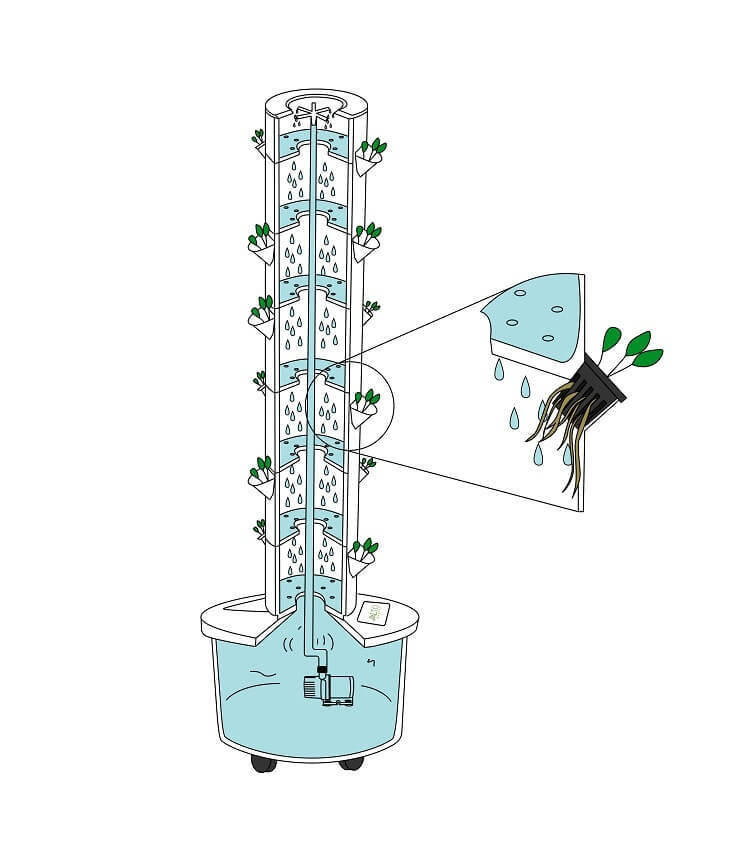
An aeroponic tower garden typically consists of several vertical sections, each equipped with a chamber for growing plants. At the base of the tower, there is a reservoir filled with nutrient-enriched water. A pump moves the water up through the system, and as it moves back down, it is misted or dripped onto the plant roots, providing the nutrients and moisture the plants need.
The beauty of the aeroponic system lies in its closed-loop design. The water, after being used to nourish the roots, is recycled back into the reservoir, minimizing water waste and increasing efficiency. This water recycling system is one of the key benefits of using an aeroponic tower garden, particularly in regions where water resources are scarce.
Key Components of an Aeroponic Tower Garden
- Reservoir – This is where the nutrient solution is stored. The size of the reservoir depends on the number of plants you intend to grow. A larger reservoir ensures that the nutrient solution lasts longer before needing to be replenished.
- Water Pump – The water pump pushes the nutrient solution to the top of the tower, where it is distributed to the plant roots. The type of pump you choose will depend on the height of your system and the number of plants you are growing.
- Watering System – In aeroponics, the roots are misted with nutrient-rich water, ensuring they receive all the nutrients they need for healthy growth.
- Grow Lights – For indoor aeroponic systems, grow lights such as LEDs are used to provide the necessary light for photosynthesis, particularly in the absence of natural sunlight.
- Timers – Automated timers are used to regulate the watering and lighting cycles, ensuring plants get the right amount of nutrients and light at optimal times.
Aeroponics vs. Hydroponics: What’s the Difference?
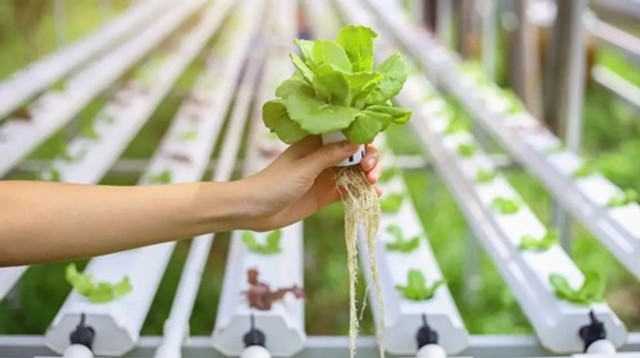
While both aeroponics and hydroponics are soil-free growing methods, they differ in how the plants receive their nutrients. In hydroponics, plants’ roots are submerged in nutrient-rich water, while in aeroponics, the roots are suspended in the air, and nutrients are delivered in the form of mist or spray.
Benefits of Aeroponic Tower Gardens Over Hydroponics
- Faster Growth: Because of the increased oxygen intake, plants grown in aeroponic systems tend to grow faster than those in hydroponic systems.
- Water Efficiency: Aeroponic systems use up to 95% less water than traditional soil-based gardening and are more water-efficient than hydroponics, as water is recycled in a closed-loop system.
- No Root Rot: Aeroponics prevents root rot, which can occur in hydroponic systems if water is not properly aerated.
The Advantages of Using an Aeroponic Tower Garden
- Space Efficiency: Aeroponic tower gardens use vertical space, making them ideal for small areas such as apartments, balconies, or urban environments where ground space is limited.
- Water Conservation: These systems are designed to conserve water, with a closed-loop system that recycles water, minimizing waste.
- Faster Growth and Higher Yields: The efficient delivery of nutrients and oxygen results in faster plant growth and increased yields compared to traditional soil-based gardening.
- No Soil Required: Because aeroponic gardening doesn’t require soil, it eliminates the mess and challenges associated with soil-based gardening, such as pests and diseases that thrive in the soil.
- Reduced Pesticide Use: Since plants are grown indoors or in controlled environments, there is less risk of pests, reducing the need for pesticides or herbicides.
Best Plants to Grow in an Aeroponic Tower Garden
An aeroponic tower garden is suitable for growing a wide variety of plants, including:
- Leafy Greens: Lettuce, spinach, kale, and arugula thrive in aeroponic systems due to their rapid growth cycles and relatively shallow root systems.
- Herbs: Basil, parsley, cilantro, and mint are popular choices for aeroponic towers, as they require minimal space and grow quickly.
- Fruits and Vegetables: Tomatoes, cucumbers, and strawberries can be successfully grown in aeroponic systems, though vining plants like tomatoes may require additional support such as a trellis.
Aeroponic Gardens in Residential Homes
Aeroponic tower gardens are a fantastic solution for those looking to grow food at home, especially in urban settings where space is limited. These systems allow homeowners to grow fresh, pesticide-free produce year-round, regardless of outdoor weather conditions. They are also ideal for people who want to grow their own herbs and vegetables but lack access to a traditional garden.
The Future of Aeroponics: Commercial and Space Applications
While aeroponic systems are increasingly being used in residential homes, they are also being tested for large-scale commercial use and even in space. NASA has been experimenting with aeroponic systems for growing food in space, as they provide an efficient, compact, and water-conserving method of plant cultivation, making them ideal for long-duration space missions.
Conclusion
Aeroponic tower gardens represent a significant leap forward in sustainable and efficient gardening methods. Whether you are looking to grow fresh herbs and vegetables in a small apartment or want to explore new technologies in space farming, aeroponics offers a solution that maximizes space, minimizes water usage, and promotes faster plant growth.
For those interested in implementing aeroponic tower gardening in their homes, businesses like ALTO Garden provide a variety of solutions to help you get started and cultivate fresh, healthy food right at your fingertips.