

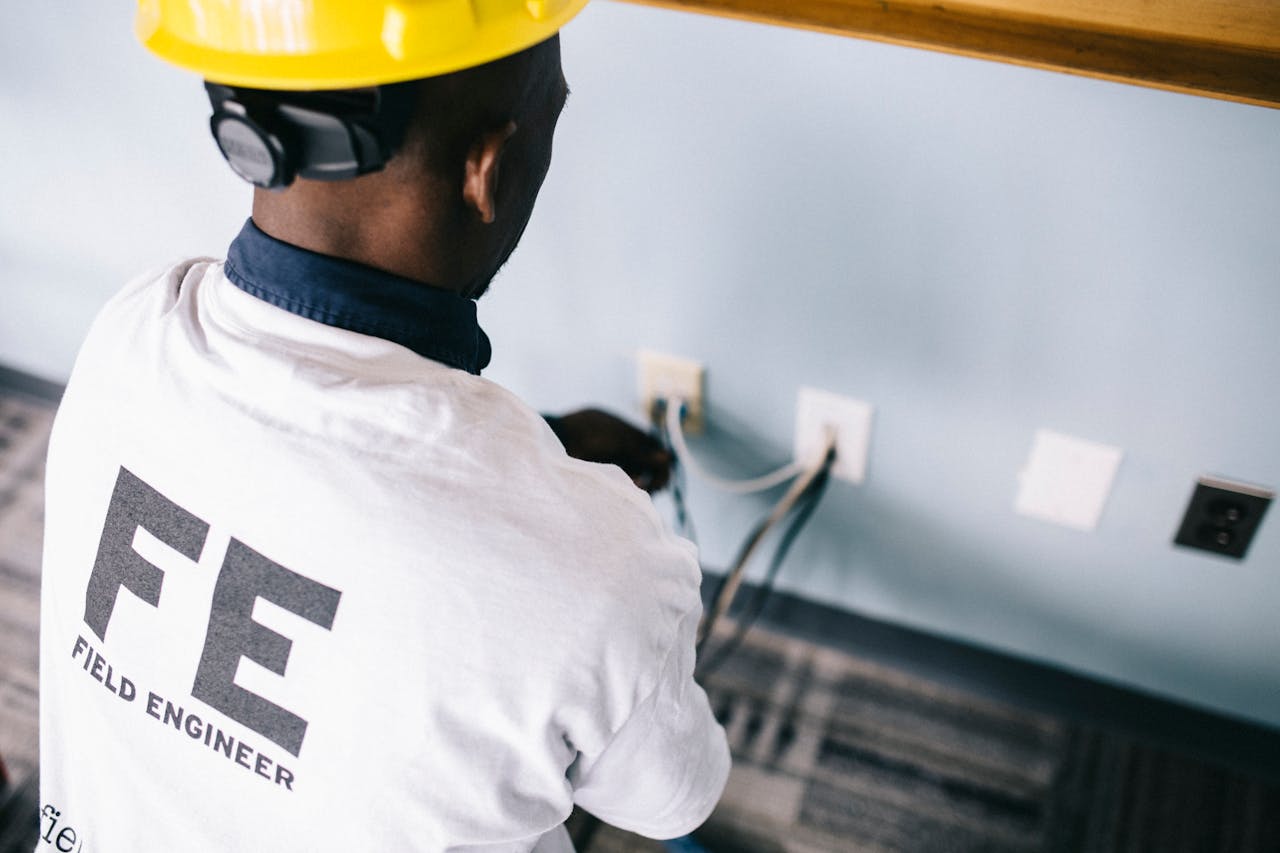
When it comes to maintaining your home, electrical repairs are some of the most important tasks that need to be handled with care and expertise. While some minor electrical issues can be tackled by homeowners, it’s essential to recognize when a problem requires a professional electrician. Electrical repairs are not only about fixing faulty wiring or broken outlets—they also ensure the safety and functionality of your home. To help you safely and effectively handle electrical repairs around the house, here are some top tips you should keep in mind.
1. Prioritize Safety First: Always Turn Off the Power
Before attempting any electrical repair, the number one rule is to turn off the power. Electricity is dangerous, and accidents can happen if the power isn’t cut off beforehand. Make sure you turn off the correct circuit at the breaker box and double-check that the power is off by testing the circuit with a voltage tester or a simple light bulb.
How to Make It Work:
Locate the breaker panel in your home and find the specific circuit that controls the area you’re working on. Flip the switch to the “off” position, and then use a non-contact voltage tester to ensure there’s no current flowing through the wires. It’s always better to double-check and be cautious, even if you’re working with something that seems minor.
Why It’s Important:
Cutting off the power prevents electrical shocks or potential fires, making it the most important step in any electrical repair. Never skip this step, even if you’re only replacing a lightbulb.
2. Understand the Basics of Home Wiring
When attempting electrical repairs, it’s essential to have a basic understanding of how your home’s electrical system works. This knowledge can help you diagnose issues, choose the right materials, and ensure you’re repairing or replacing the correct components.
How to Make It Work:
Learn about the different types of wires, outlets, and switches in your home. For example, the most common wire types are grounding wires, hot wires, and neutral wires. Each plays a different role in your electrical system. Additionally, familiarize yourself with standard electrical codes for safety.
Why It’s Important:
Knowing the basics of wiring allows you to identify potential problems and apply fixes safely. It also helps when purchasing the right tools, materials, or replacement parts for the repair.
3. Use the Right Tools for the Job
Having the right tools is essential for handling electrical repairs effectively and safely. Using improper or makeshift tools can lead to accidents or subpar results, so ensure you’re well-equipped for the task at hand.
How to Make It Work:
Here’s a list of common tools you’ll need for basic electrical repairs:
- Voltage Tester: To check if wires are live.
- Wire Strippers: For removing insulation from electrical wires.
- Insulated Screwdrivers: To prevent accidental shocks.
- Wire Cutters: For cutting wires cleanly.
- Electrical Tape: To insulate and secure connections.
- Pliers: For gripping and manipulating wires.
Why It’s Important:
Using the right tools ensures your repairs are done correctly, minimizing the risk of accidents or further damage. Insulated tools are particularly important because they protect you from electrical shocks while you work.
4. Don’t Overload Electrical Outlets or Circuits
Overloaded circuits are one of the leading causes of electrical fires in the home. Many electrical issues are linked to overloaded outlets or circuits that can’t handle the power demands of modern devices.
How to Make It Work:
Avoid plugging too many high-power devices into a single outlet or circuit. If you need to power multiple devices, use a surge protector rather than relying on a power strip. If an outlet is frequently tripped, it may be time to replace it or check for underlying wiring issues.
Why It’s Important:
Properly managing your home’s power demand prevents overheating, circuit failures, and potential fire hazards. Make sure to always check the amperage of outlets and circuits to ensure they’re equipped to handle your devices.
5. Repair or Replace Faulty Outlets and Switches
If you’re experiencing issues like flickering lights, buzzing outlets, or outlets that no longer provide power, it may be time to repair or replace your outlets or switches. These are common areas of concern in many homes.
How to Make It Work:
- Replace Outlet Covers: If an outlet cover is cracked or broken, replace it immediately to prevent potential electrical exposure.
- Install New Outlets: If an outlet is outdated or not functioning, you can replace it by turning off the power, removing the old outlet, and connecting the new one following the manufacturer’s instructions.
- Check for Loose Connections: A loose connection can cause arcing, which can lead to overheating. Tighten any loose wires carefully.
Why It’s Important:
Faulty outlets and switches are not only inconvenient but can also present serious safety risks, including electrical fires. Replacing or repairing them promptly ensures the continued safety of your home and its occupants.
6. Replace Light Fixtures and Bulbs Properly
Sometimes, a simple electrical issue can be fixed by replacing a lightbulb or light fixture. While this may seem like an easy task, it’s important to take safety precautions to avoid injury or damage.
How to Make It Work:
When replacing light fixtures or bulbs, ensure the power is off. For fixtures, carefully detach them from the mounting, and when installing new ones, make sure they are compatible with the existing wiring. Always use the correct wattage for the bulbs to prevent overheating. If your light fixture is malfunctioning, inspect the wiring for any signs of damage before replacing it.
Why It’s Important:
Replacing bulbs and fixtures with the correct types ensures that your lighting works efficiently and safely. Using bulbs that are too powerful for a fixture can lead to overheating, while improperly installed fixtures may cause shorts or even sparks.
7. Know When to Call a Professional
While many electrical repairs can be done by an experienced DIYer, certain situations require the expertise of a licensed electrician. It’s important to know when a job is beyond your skill level to avoid potential hazards.
How to Make It Work:
If you notice signs of serious electrical issues, such as frequent circuit breakers tripping, burning smells, or electrical sparks, it’s crucial to call a professional. Electrical issues involving complex wiring or grounding should also be left to the experts.
Why It’s Important:
Electrical work can be dangerous, and mistakes can lead to severe injuries or fires. Calling a licensed electrician ensures that the job is done safely and according to code, preventing future problems.
8. Stay Updated with Local Codes and Regulations
Electrical work is subject to strict codes and regulations to ensure safety. These codes can vary by location, and they are periodically updated to reflect new safety standards.
How to Make It Work:
Before starting any electrical repair, make sure you’re familiar with the electrical codes in your area. This includes knowing the appropriate wire sizes, the placement of outlets, and the proper grounding techniques. If you’re not sure, local building authorities can provide you with the necessary information.
Why It’s Important:
Adhering to local electrical codes is not only essential for your safety but also necessary for compliance with building regulations. Failing to follow these codes could result in unsafe electrical systems and could cause problems when selling your home or applying for insurance.
Final Verdicts
Handling electrical repairs around the house can be both rewarding and safe if approached with the right knowledge and precautions. From turning off the power to using the correct tools and materials, following these tips will help ensure that your electrical repairs are done safely and efficiently. However, remember that electrical work can be hazardous, and when in doubt, it’s always best to consult a licensed professional to avoid any risks. By taking the necessary precautions, you can maintain a safe and functional electrical system in your home.