
Vertical gardening has revolutionised the way we grow food, making it possible for anyone, anywhere, to enjoy fresh, organic produce. At the forefront of this revolution are hydroponic tower systems. These innovative setups allow you to grow a wide variety of fruits, vegetables, and herbs in a fraction of the space and with significantly less water than traditional soil-based methods. Whether you live in a small apartment, a condo with a balcony, or a house with a backyard, a vertical garden tower is a perfect way to bring the farm-to-table experience right into your home.
What Makes a Hydroponic Tower So Effective?
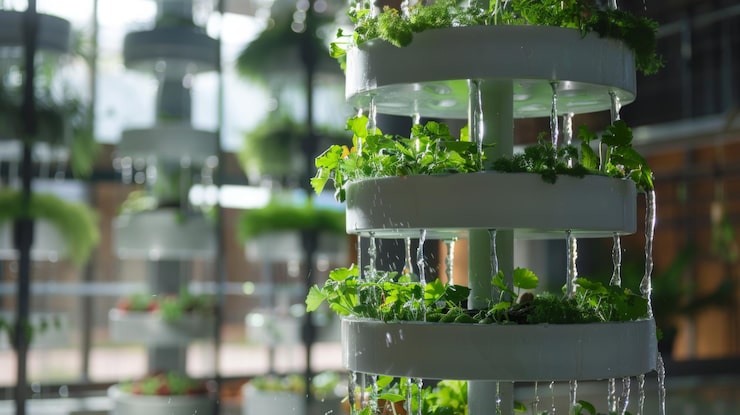
The magic of a hydroponic tower lies in its design. Unlike conventional gardens, a hydroponic tower uses a soilless growing method where plants are supported by a medium like rockwool or clay pellets. A nutrient-rich water solution is then circulated from a reservoir at the base of the tower, flowing down over the plant roots. This method, often called aeroponics, exposes the roots to both water and air, which provides them with a constant supply of oxygen. This increased oxygen absorption is a key reason why plants in a grow tower can grow up to three times faster than those in soil.
The Advantages of a Vertical Garden
- Space Efficiency: A single hydroponic tower can support dozens of plants in a footprint of less than one square meter. This vertical design is a game-changer for urban dwellers, allowing you to cultivate a substantial garden on a small balcony or even in a corner of your living room.
- Water Conservation: The closed-loop system of a hydroponic tower recycles water, using up to 95% less water than traditional farming. The water is constantly pumped from the reservoir to the top of the tower and then trickles down, so there’s virtually no waste from runoff or evaporation.
- Faster Growth and Higher Yields: The precise control over nutrients and water, combined with the efficient oxygen delivery to the roots, leads to accelerated growth. This means you can harvest more food in a shorter period, often with a 30% increase in overall yields compared to soil-based gardens.
- No Soil, No Mess: Without soil, you eliminate a lot of the common problems associated with gardening, such as pests, weeds, and the general mess of dirt. This makes a hydroponic tower ideal for indoor use, as you can keep your space clean while still enjoying a lush, living garden.
- Year-Round Growing: With the addition of LED grow lights, you can create the perfect growing environment for your plants indoors, regardless of the season or the weather outside. This allows you to enjoy fresh produce all year long.

Getting Started with Your Hydroponic Tower
Setting up a hydroponic grow tower is a straightforward process, and many systems are designed for easy, tool-free assembly. The first step is to germinate your seeds. Place them in rockwool cubes, which will serve as the initial support for the young plants. Many towers come with a germination light to help this process. Once your seedlings have developed a few leaves and their roots begin to emerge from the bottom of the cubes, they are ready to be transferred.
Next, you will prepare your tower. Fill the reservoir with water and add the recommended A+B plant nutrients. It’s crucial to test and adjust the pH level of this solution to ensure it’s in the optimal range (typically 5.5 to 6.5). An unbalanced pH can prevent plants from absorbing the nutrients they need to grow. Once the solution is ready, simply place the rockwool cubes with the seedlings into the net pots on your tower.
Finally, set your timers for the lights and the water pump. A common schedule is 14 hours of light and 10 hours of darkness for your plants, and a watering schedule of 15 minutes on and 45 minutes off. This interval-based watering, also known as aeroponics, gives the roots a chance to get plenty of oxygen between watering cycles, which is critical for rapid growth.
Maintenance and Harvesting
Once your garden tower is set up, the main tasks are monitoring and maintenance. Check the water level in the reservoir regularly, adding more nutrient-rich water as needed. It’s also a good idea to test the pH once a week to make sure it’s stable.
Harvesting from your hydroponic tower is a truly rewarding experience. The most popular method is “cut-and-come-again,” where you simply harvest the outer leaves of plants like lettuce or kale and allow the rest of the plant to continue growing. This method ensures you have a continuous supply of fresh greens throughout the season.
Conclusion
Embracing a hydroponic tower is more than just a new way to garden; it’s a lifestyle choice that promotes sustainability, health, and a deeper connection to the food you eat. The ability to grow organic, pesticide-free food right at your fingertips is an unparalleled experience. With minimal space and water, you can cultivate a thriving garden that not only provides delicious, nutritious produce but also adds a beautiful, living element to your home. Explore the possibilities with the ALTO Garden GX Tower and start your journey to homegrown goodness today.