


Hydroponic towers are transforming the way people grow food at home. By utilizing a vertical garden system, these innovative structures allow plants to thrive without soil, using a nutrient-rich water solution instead. Whether you have limited space, want to reduce water waste, or are looking for an easy way to grow fresh produce year-round, hydroponic towers offer an ideal solution.
What Are Hydroponic Towers?
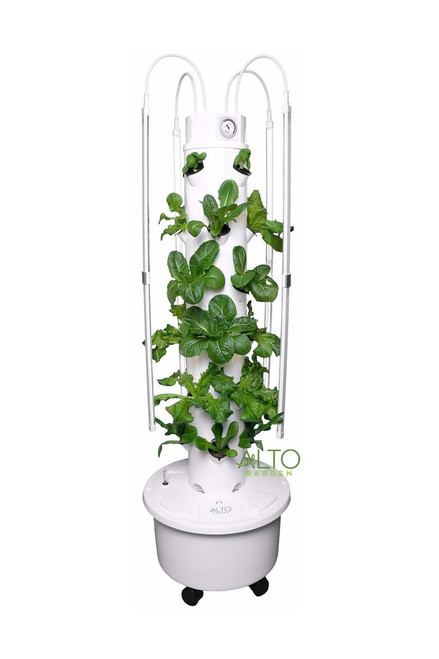
Hydroponic towers are vertical garden systems that support plant growth without the use of soil. They are designed with multiple planting slots, allowing users to grow a variety of vegetables, herbs, and fruits in a compact space. These systems work by delivering water and nutrients directly to the plant roots, ensuring efficient growth and maximum yield.
How Do Hydroponic Towers Work?
Hydroponic towers operate using a simple but effective method:
- Water Circulation: A built-in pump circulates water from a reservoir to the plants, ensuring they receive essential nutrients.
- Nutrient Delivery: The roots absorb the nutrient-rich water, promoting faster growth.
- Oxygenation: Unlike soil gardening, hydroponic systems provide direct oxygen to the roots, which helps plants grow healthier and stronger.
- Recycling System: The same water is continuously recirculated, reducing overall water usage by up to 95% compared to traditional gardening.
Benefits of Using Hydroponic Towers in Your Vertical Garden
1. Space-Saving Design
Hydroponic towers are designed to grow plants vertically, making them perfect for small spaces such as apartments, balconies, and patios. A single hydroponic tower can accommodate multiple plants, making it a highly efficient gardening solution.
2. Increased Growth Rate and Higher Yields
Because hydroponic towers provide direct access to nutrients and oxygen, plants grow up to three times faster than those in soil. This results in a greater yield within a shorter period, allowing you to harvest fresh produce more frequently.
3. Minimal Water Usage
One of the biggest advantages of hydroponic gardening is its water efficiency. Traditional gardening methods waste a large portion of water due to evaporation and runoff. Hydroponic towers recycle water, reducing water usage by as much as 95%, making them an excellent choice for eco-conscious gardeners.
4. Cleaner and Healthier Gardening
Since hydroponic towers do not require soil, they eliminate many of the issues associated with traditional gardening, such as soil-borne pests and diseases. This means fewer pesticides and a cleaner, more natural growing environment for your plants.
5. Year-Round Gardening
With a hydroponic tower, you can grow fresh produce regardless of the season. Indoor towers with built-in LED grow lights ensure plants receive the necessary light even during winter, making year-round gardening a reality.
How to Get Started with a Hydroponic Tower
1. Choose the Right Location
Decide whether you want to grow your plants indoors or outdoors. Indoor hydroponic towers require access to grow lights, while outdoor towers rely on natural sunlight.
2. Select Your Plants
Hydroponic towers are suitable for a variety of crops, including:
- Leafy greens (lettuce, spinach, kale)
- Herbs (basil, mint, parsley)
- Small fruits (strawberries, cherry tomatoes, peppers)
3. Prepare the Nutrient Solution
Hydroponic plants rely on a nutrient-rich water solution for growth. Use a high-quality hydroponic nutrient mix to provide essential minerals for healthy plants.
4. Monitor and Maintain Your System
To ensure optimal plant growth, regularly check water levels, adjust nutrient concentrations, and clean the tower to prevent algae buildup.
Indoor vs. Outdoor Hydroponic Towers
Indoor Towers
- Require LED grow lights for proper photosynthesis
- Offer a controlled environment free from weather changes
- Allow for year-round gardening
Outdoor Towers
- Use natural sunlight for plant growth
- Allow for natural pollination by insects and wind
- Require seasonal adjustments based on temperature and climate
Why Hydroponic Towers Are the Future of Gardening
With rising concerns about food sustainability, space constraints, and environmental impact, hydroponic towers present a revolutionary solution. Their ability to maximize space, reduce water waste, and eliminate soil-related issues makes them a preferred choice for modern gardeners.
Conclusion
Hydroponic towers are an efficient and eco-friendly way to grow fresh, organic food in any space. Whether you’re a beginner or an experienced gardener, a vertical garden system offers convenience, sustainability, and high yields year-round.
For those looking to integrate hydroponic gardening into their lifestyle, ALTO Garden provides high-quality hydroponic towers designed for home use. Experience the benefits of a vertical garden and enjoy fresh, organic produce right from your home!