

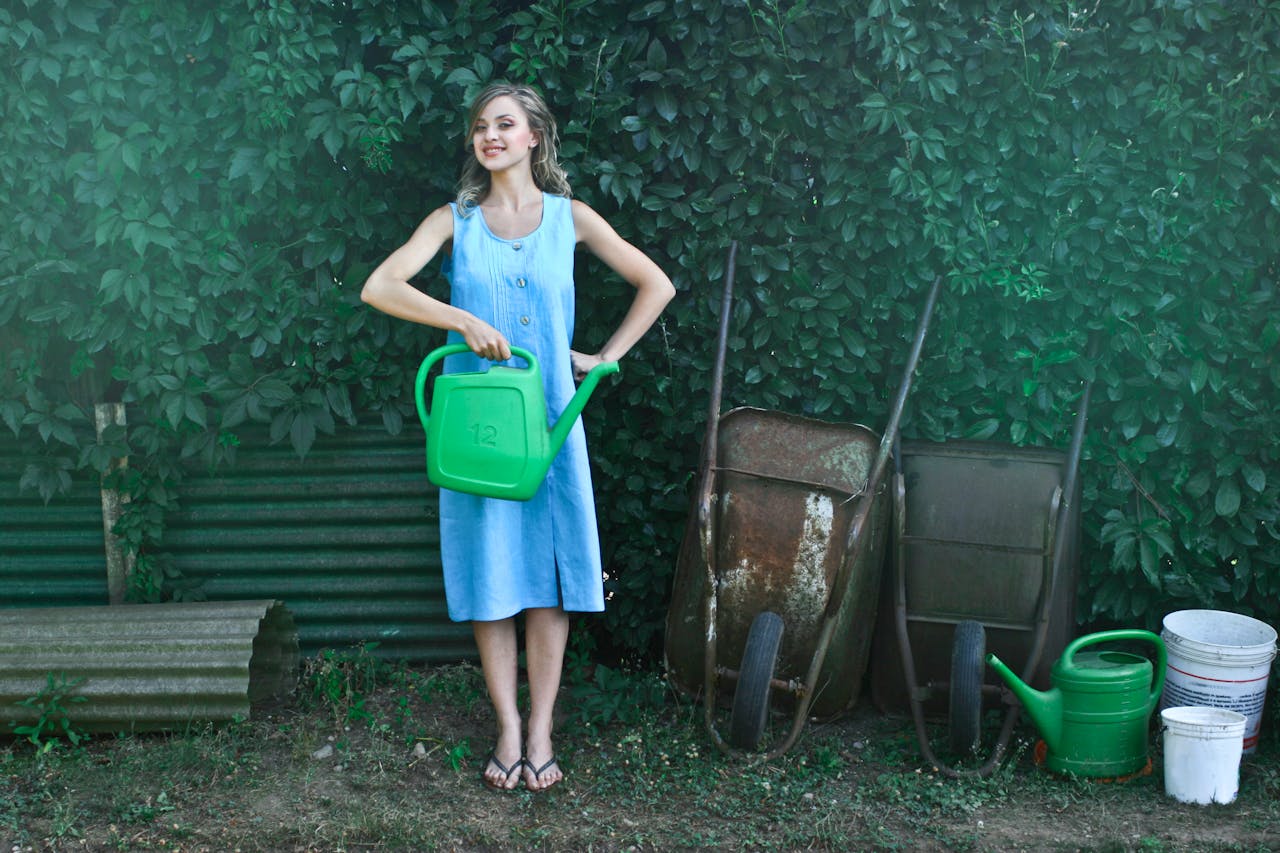
As we move further into 2025, gardening continues to evolve with new trends that reflect a growing awareness of sustainability, technology, and a desire to connect with nature. Whether you’re an experienced gardener or just starting, these trends are shaping how we approach our outdoor spaces. Here’s a look at the top gardening trends for 2025 that are transforming landscapes and helping people create beautiful, functional, and environmentally friendly gardens.
Sustainable Gardening Practices
In 2025, sustainable gardening is more important than ever, with an increasing focus on environmentally friendly practices that help reduce our carbon footprint. From reducing water usage to using organic methods for pest control, gardeners are increasingly seeking ways to grow plants while minimizing their environmental impact.
One of the biggest trends in sustainable gardening is the use of native plants, which are better suited to local climates and require less water and maintenance than non-native species. Gardeners are also turning to composting, mulching, and natural fertilizers to improve soil health without relying on synthetic chemicals. These eco-conscious approaches not only benefit the environment but also result in healthier and more resilient gardens.
Vertical and Small Space Gardening
As urbanization continues to increase, many gardeners are looking for creative solutions to maximize limited space. Vertical gardening is one of the most popular trends in 2025, allowing people to grow plants in smaller areas by utilizing walls, fences, or trellises. Vertical gardens are ideal for growing everything from vegetables to flowers, and they help save space while creating visually appealing structures.
In addition to vertical gardening, small space gardening techniques such as container gardening and hydroponic systems are gaining traction. These methods are perfect for apartment dwellers, city residents, or anyone with limited garden space. With the right tools and techniques, even small balconies or patios can become thriving gardens.
Smart Gardening with Technology
Smart technology is making its way into the garden, offering homeowners the tools they need to care for their plants more efficiently. In 2025, the use of smart gardening tools such as automated watering systems, soil sensors, and climate-controlled greenhouses is becoming increasingly common. These devices allow gardeners to monitor and manage their gardens from their smartphones or other smart devices.
For example, soil moisture sensors help gardeners determine when to water their plants, ensuring that they only water when necessary and preventing water waste. Smart irrigation systems can be programmed to deliver water at optimal times, taking weather conditions into account to reduce water usage. These high-tech gadgets are transforming gardening into a more efficient and precise activity.
Edible Gardens and Food Sovereignty
Growing your own food has become more than just a hobby—it’s now a key trend that reflects a growing desire for self-sufficiency and food sovereignty. In 2025, more gardeners are embracing the concept of edible gardens, where they grow fruits, vegetables, and herbs in their own backyards. This trend is driven by the desire for healthier, locally sourced food and the need to reduce reliance on grocery stores and supply chains.
Edible gardens can range from simple herb gardens on a windowsill to large vegetable plots in the yard. Many gardeners are also incorporating raised beds, container gardening, and vertical gardens to make growing food more accessible and space-efficient. This trend is not only helping individuals eat more healthily but also promoting sustainability by reducing food miles and packaging waste.
Wildlife and Pollinator-Friendly Gardens
In 2025, there is a strong emphasis on creating gardens that support local wildlife, particularly pollinators like bees, butterflies, and birds. As environmental awareness grows, gardeners are increasingly looking to create spaces that provide food, shelter, and habitat for wildlife.
Pollinator-friendly gardening involves planting a diverse range of flowers, shrubs, and trees that attract and support bees, butterflies, and other pollinators. Gardeners are also incorporating birdhouses, birdbaths, and insect hotels into their designs to provide additional shelter and nesting opportunities. These types of gardens not only help support biodiversity but also create beautiful, vibrant outdoor spaces.
Low Maintenance Gardens
In today’s fast-paced world, many gardeners are looking for ways to simplify their garden care routine. Low-maintenance gardens are becoming a major trend in 2025, with more people opting for plants that require minimal upkeep. Perennials, drought-resistant plants, and native species are all popular choices for low-maintenance gardens.
In addition to plant selection, the use of mulching, automatic irrigation systems, and self-cleaning garden tools is helping reduce the amount of time spent on garden maintenance. These gardens are designed to be self-sustaining, allowing gardeners to enjoy the beauty of their outdoor space without constant attention.
Indoor Gardening and Houseplants
Indoor gardening is seeing a resurgence in 2025, as more people bring plants inside to improve air quality, enhance home décor, and create a calming atmosphere. The popularity of houseplants has grown steadily in recent years, and this trend continues to rise in 2025, with new varieties of plants becoming more widely available.
From small succulents to large statement plants like fiddle leaf figs, houseplants are being used to add greenery to living rooms, offices, and even bathrooms. Vertical gardens and indoor hydroponic systems are also gaining popularity, allowing people to grow herbs and vegetables indoors year-round. With the right care and environment, indoor gardens can thrive and offer the benefits of gardening without the need for outdoor space.
Outdoor Living Spaces and Garden Design
Creating outdoor living spaces that serve as extensions of the home is a growing trend in 2025. Many homeowners are investing in gardens that function as outdoor lounges, dining areas, or entertainment zones. This trend often involves adding features like fire pits, seating areas, outdoor kitchens, and garden lighting to enhance the functionality and aesthetics of the garden.
Garden design in 2025 is focused on creating cohesive, multi-functional spaces that blend seamlessly with the home’s architecture and natural surroundings. Whether it’s a cozy corner for reading, a dining area for hosting, or a peaceful retreat for relaxation, outdoor living spaces are becoming integral parts of modern homes.
Sustainable Garden Furniture and Materials
As sustainability becomes a key consideration in gardening, there is an increased focus on using eco-friendly materials for garden furniture and structures. In 2025, homeowners are opting for furniture made from recycled or sustainably sourced materials, such as reclaimed wood, bamboo, or recycled plastic.
Garden pathways and patios are also being made from eco-friendly materials like permeable pavers and recycled stone, which help with water drainage and reduce environmental impact. By choosing sustainable materials, gardeners can create beautiful, functional spaces that align with their environmental values.
Final Words
The gardening trends of 2025 reflect a growing awareness of sustainability, efficiency, and the desire to reconnect with nature. From creating wildlife-friendly spaces and growing edible gardens to embracing technology and low-maintenance designs, these trends are shaping the future of gardening. Whether you’re a seasoned gardener or just starting out, these trends offer inspiration and practical ideas for creating a more beautiful, functional, and sustainable garden.