

Sustainable gardening is about growing plants and maintaining landscapes in ways that benefit the environment, conserve resources, and promote biodiversity. Whether you’re starting a new garden or transforming an existing one, adopting eco-friendly practices can help you create a lush, productive space that’s kind to the planet. Here are some practical strategies to guide you in developing a sustainable garden.
Choose Native and Drought-Tolerant Plants
Selecting native plants is one of the easiest ways to create an environmentally friendly garden. Native species are naturally adapted to your local climate, soil, and wildlife, making them more resilient and requiring less water and maintenance. In regions prone to drought or water restrictions, incorporating drought-tolerant plants can significantly reduce the need for supplemental irrigation.
When choosing plants, consider a mix of perennials, shrubs, and ground covers that thrive in your area’s conditions. This approach not only conserves water but also supports local pollinators and wildlife.
Improve Soil Health Organically
Healthy soil is the foundation of a sustainable garden. Instead of relying on chemical fertilizers, focus on building soil fertility through organic methods. Adding compost, aged manure, or natural mulch enriches the soil with nutrients, improves its structure, and enhances its ability to retain moisture.
In addition to composting, consider planting cover crops or using green manure during the off-season to naturally replenish the soil. Mulching with materials like straw, wood chips, or shredded leaves helps maintain consistent soil temperature, reduces weed growth, and conserves water.
Conserve Water Wisely
Water conservation is a cornerstone of sustainable gardening. Collect rainwater in barrels and use it to irrigate your garden. Drip irrigation systems and soaker hoses deliver water directly to plant roots, minimizing evaporation and runoff. Watering early in the morning or late in the evening further reduces water loss.
Group plants with similar watering needs together, so you can efficiently manage irrigation without overwatering. In areas with regular rainfall, simply allowing the rain to provide most of the moisture can keep your garden thriving with minimal intervention.
Promote Biodiversity and Beneficial Wildlife
A sustainable garden supports a diverse array of insects, birds, and other wildlife. Attracting pollinators—such as bees, butterflies, and hummingbirds—by planting nectar-rich flowers helps ensure healthy crop yields and vibrant blooms. Incorporate flowering plants that bloom at different times throughout the season to provide a continuous source of nectar and pollen.
Encourage beneficial insects, like ladybugs and lacewings, which naturally keep pest populations in check. Avoid using synthetic pesticides, and instead rely on natural pest control methods such as companion planting, introducing predatory insects, and maintaining a balanced ecosystem.
Reduce, Reuse, and Recycle Materials
Sustainable gardening also involves thoughtful use of materials. Repurpose old containers, wood, or bricks to create planters, garden beds, or pathways. Instead of discarding grass clippings, leaves, and plant trimmings, turn them into compost to enrich your soil.
If you must purchase new materials, choose those made from recycled or renewable sources. By reducing waste and reusing resources, you minimize your garden’s environmental footprint while saving money.
Embrace Natural Landscaping Techniques
Letting certain areas of your garden grow more naturally can be both sustainable and beautiful. Instead of heavily manicuring every section, consider wildflower meadows or no-mow zones. These spaces provide habitats for birds, insects, and other creatures, and they require far less maintenance than traditional lawns.
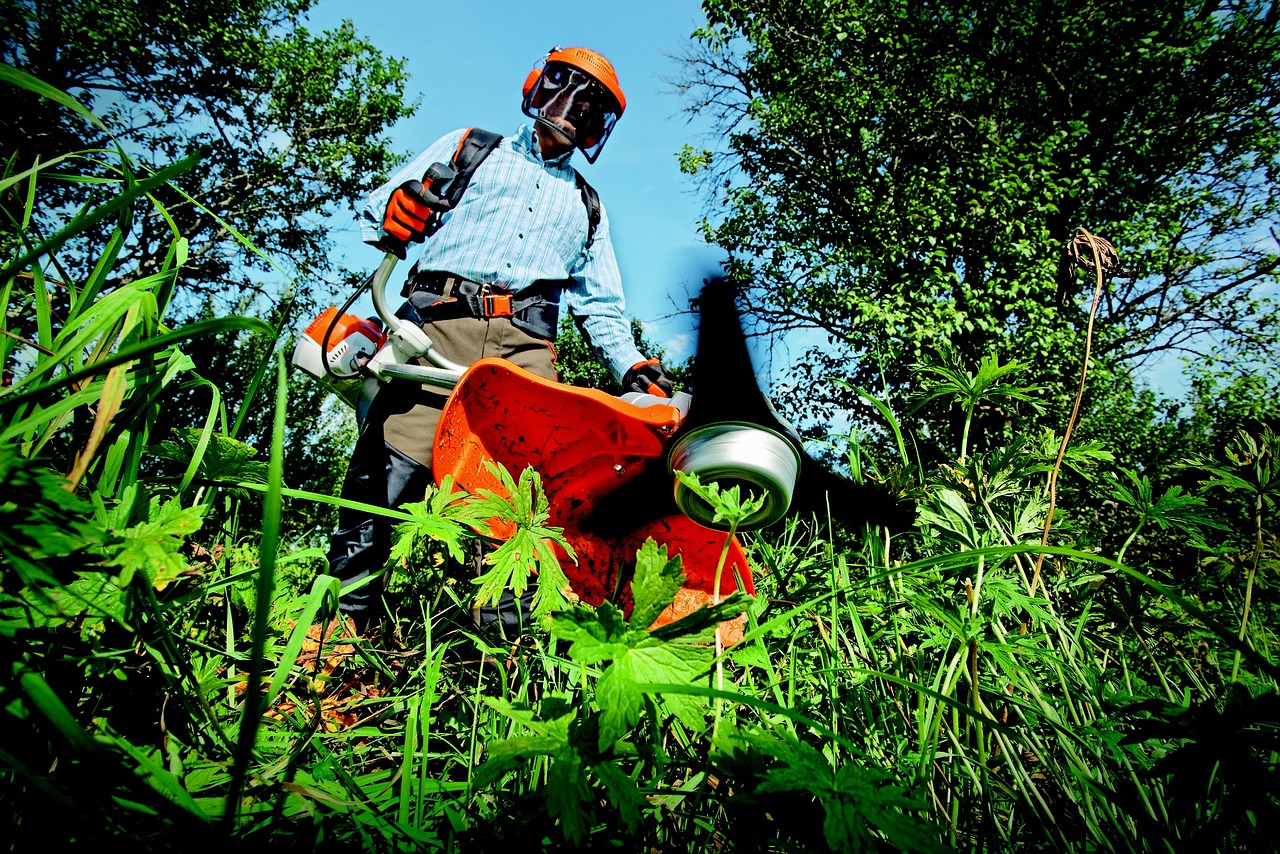
When you do maintain your lawn or pathways, opt for hand tools or electric-powered equipment instead of gas-powered options. This reduces emissions and contributes to a cleaner environment.
Plan for Long-Term Sustainability
Sustainable gardening is an ongoing process. As your garden grows and changes, regularly assess what’s working well and what could be improved. Rotate crops in vegetable gardens to prevent soil depletion, continually add organic matter to maintain fertility, and experiment with new plants that further reduce resource use.